
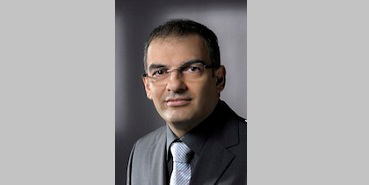
apl. Prof. Dr. Said Hashemolhosseini
Kontakt
Research Focus
Skeletal muscle is a highly dynamic tissue that relies on the coordinated regulation of development, function, and regeneration. These processes are governed by the integration of multiple signaling pathways, including canonical Wnt signaling and the Hippo pathway effectors YAP1 and TAZ. Our research focuses on how these pathways interact across distinct cellular compartments of skeletal muscle, while also exploring additional regulatory networks, including protein kinase CK2 subunits and LAP (leucine-rich repeat and PDZ domain) proteins such as Erbin and Scribble. Our long-term vision is to define unifying principles of signaling crosstalk that govern muscle cell identity, plasticity, and repair.
In muscle stem cells (satellite cells), we investigate how Wnt and YAP1/TAZ signaling regulate activation, proliferation, and differentiation during muscle growth and regeneration. By dissecting key pathway components, including the Wnt co-receptors LRP5 and LRP6, as well as modulators such as CK2, we aim to understand how extracellular cues and intracellular signaling networks control stem cell fate and regenerative capacity. Ultimately, we seek to identify mechanisms that can be targeted to enhance muscle repair.
In adult muscle fibers, we identified a distinct subset of fast fibers with active canonical Wnt signaling, characterized by reduced fiber diameter. These fibers also exhibit activation of YAP1/TAZ, demonstrating that both pathways coexist and function cooperatively within the same cells. Our transcriptomic analyses further suggest that YAP1/TAZ contribute to the regulation of sarcomeric gene expression. In addition, polarity-associated LAP proteins such as Erbin and Scribble represent emerging candidates linking signaling pathways to fiber organization and structural integrity, opening new avenues to understand how muscle architecture is established and maintained.
At the neuromuscular junction (NMJ), we uncovered critical roles for Wnt-dependent transcriptional regulation in postsynaptic differentiation. The transcriptional corepressors TLE3 and TLE4 are required for proper clustering of acetylcholine receptors. In parallel, YAP1 and TAZ directly regulate postsynaptic gene expression via TEAD transcription factors and are essential for the formation of the postsynaptic apparatus, as their combined loss results in severe synaptic defects and early lethality. These findings position signaling crosstalk as a central mechanism underlying synaptic stability and function.
Together, our work reveals a coordinated signaling network in which Wnt, YAP1/TAZ, and associated regulators act across muscle stem cells, adult fibers, and synapses to control skeletal muscle biology. By integrating established and emerging pathways, we aim not only to dissect molecular mechanisms but also to build a conceptual framework for how complex signaling networks are coordinated in multicellular systems, ultimately enabling the development of targeted therapeutic strategies for muscle and neuromuscular diseases.
Our work is supported by competitive funding from agencies and organizations including the DFG, IZKF, and international muscle research societies.